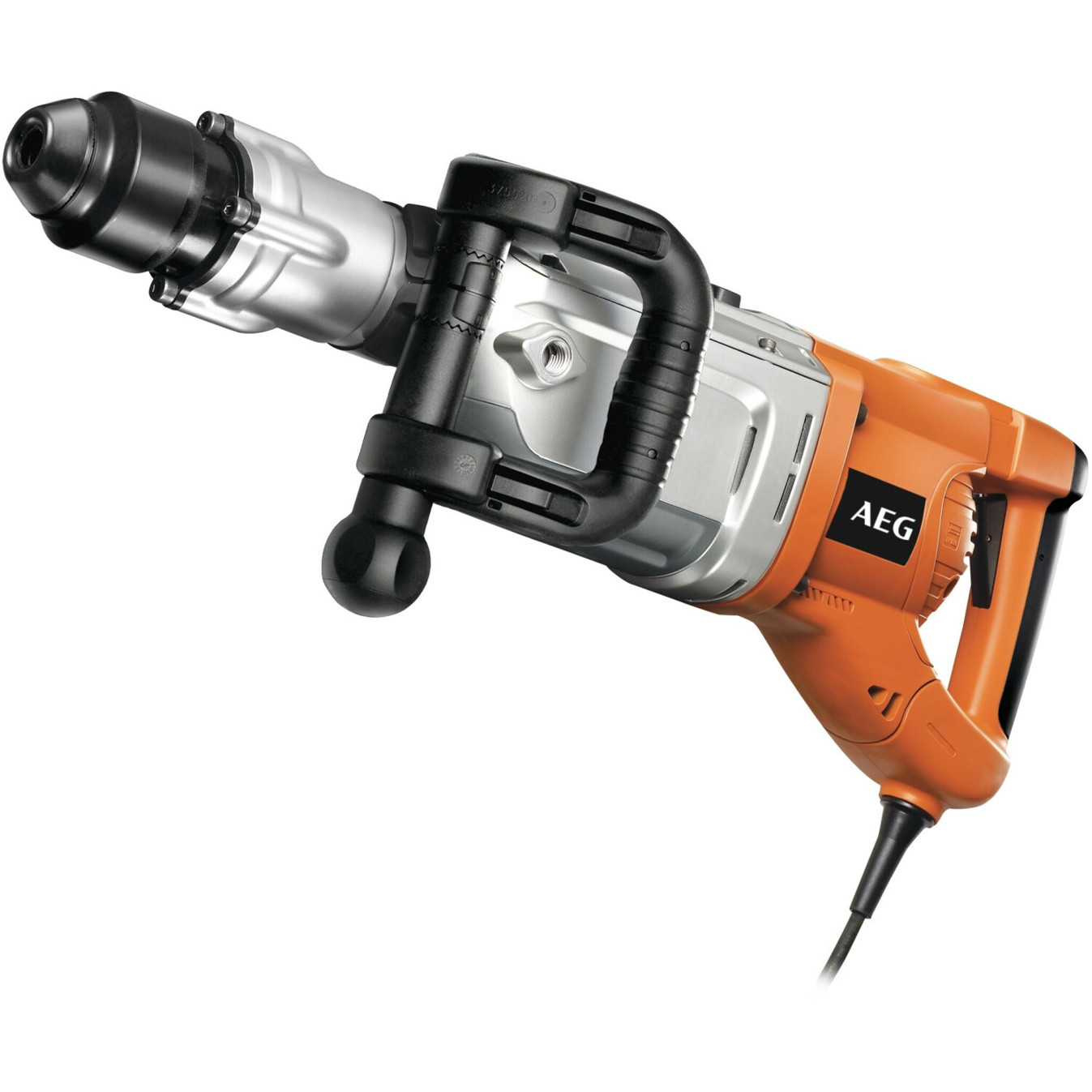
Ten Things You've Learned In Kindergarden That'll Help You With Demolition Hammer On Account
A Comprehensive Guide to Demolition Hammers: Understanding Their Applications and Benefits
Demolition work is typically a complicated task, needing specialized tools to efficiently take down structures. Among the most important instruments in this field is the demolition hammer. Understood for its robust efficiency and flexibility, a demolition hammer can finish heavy products. In this post, readers will gain a thorough understanding of demolition hammers, their applications, types, features, and a necessary FAQ section for fast referral.
What Is a Demolition Hammer?
A demolition hammer is a powerful tool used to break down difficult products, such as concrete and masonry. Unlike standard hammer drills, which are created for drilling, demolition hammers provide a higher impact force to break through tough surfaces. They are normally electrical or pneumatic, making them perfect for both indoor and outdoor demolition jobs.
Key Features of Demolition Hammers
Function
Description
Source of power
Electric, pneumatic, or hydraulic
Impact Force
Determined in joules; high effect force for effective demolition
Weight
Varies from 5 to 30+ pounds depending upon design & & application
Compatibility
Accepts different chisel attachments for different tasks
Speed Settings
Variable speed settings for personalized operation
Kinds Of Demolition Hammers
Demolition hammers generally fall into 2 primary classifications: Electric Demolition Hammers and Pneumatic Demolition Hammers. Let's look into their differences.
1. Electric Demolition Hammers
Electric demolition hammers are the most commonly utilized type. They come geared up with powerful motors that offer significant impact energy. Holzbandsäge Stationär are ideal for both domestic and commercial tasks due to their ease of usage and schedule.
Benefits:
- Portability: Easy to use without requiring an air compressor.
- Range of Power Levels: Available in various power scores, making them ideal for light to heavy demolition tasks.
2. Pneumatic Demolition Hammers
Pneumatic demolition hammers use compressed air to run. While they generally deliver a greater impact force than electrical models, they need an air compressor for usage.
Benefits:
- Higher Impact Power: Ideal for sturdy applications and larger projects.
- Durability: Often have a longer lifespan when maintained correctly.
Summary Table of Demolition Hammer Types
Type
Power Source
Effect Force
Best Use
Electric
Electric
Moderate to High
Residential and light business work
Pneumatic
Compressed air
High
Heavy industrial and large-scale jobs
Applications of Demolition Hammers
Demolition hammers are commonly used in different sectors. Below are some typical applications:
1. Concrete Removal
Demolition hammers stand out at breaking down concrete structures, such as walls and pavement.
2. Masonry Work
Masonry demolition can be efficiently performed with a demolition hammer's chiseling capability.
3. Renovation Projects
Perfect for taking down non-load-bearing walls in property remodellings.
4. Roadway Work
Used in the building market for jobs like hole repair work and road resurfacing.
Picking the Right Demolition Hammer
When picking a demolition hammer, a number of elements need to be thought about:
1. Function
Examine the specific tasks you will be using the hammer for. Lighter designs might be adequate for small demolition work, while heavy-duty options will be needed for harder jobs.
2. Weight
Heavier models generally deliver more power however can result in tiredness throughout extended usage.
3. Effect Energy
Try to find designs with adjustable impact settings for adaptability in different jobs.
4. Chisel Compatibility
Verify the kinds of chisels that can be used with the hammer to ensure it fulfills your requirements.
Maintenance Tips for Demolition Hammers
1. Routine Cleaning
Keep the hammer clean from dust and particles to ensure ideal functioning.
2. Inspect Cables and Hoses
Check all power cables and hoses for any signs of wear or damage.
3. Lubrication
Use appropriate lubricants on moving parts to decrease wear and tear.
4. Store Properly
When not in usage, store the hammer in a dry place to avoid rust and corrosion.
Regularly Asked Questions (FAQ)
1. What is the difference between a demolition hammer and a rotary hammer?
Demolition hammers are mostly created for breaking and sculpting, while rotary hammers are produced both drilling and hammering.
2. Can I utilize a demolition hammer for smaller sized jobs?
Yes, there are light-weight designs offered that are ideal for small-scale tasks.
3. Are pneumatic demolition hammers more effective than electrical ones?
In many cases, yes; pneumatic demolition hammers usually deliver a greater effect force compared to electrical designs.
4. What safety precautions should I take when utilizing a demolition hammer?
Constantly wear safety goggles and gloves, and ensure that work locations are clear of unnecessary dangers. Utilizing proper ear security is also suggested due to the noise levels.
5. How do I know which chisel to utilize for a specific job?
Refer to the maker's guidelines and select a chisel based upon the product you are working with; flat chisels are ideal for basic sculpting while pointed chisels work well for accuracy tasks.
Demolition hammers are essential tools for professionals and DIY enthusiasts alike, capable of handling a large range of tasks from concrete elimination to renovation jobs. By understanding the various types, applications, and upkeep pointers, users can take full advantage of the effectiveness and longevity of their demolition hammers. Whether you are aiming to take down an entire structure or just need to make some repairs, buying the best demolition hammer is an essential action toward achieving your task objectives.